Here is the list of what is allowed and what is not allowed to bring:
ALLOWED:
- Each person may bring up to two food items (sandwiches, fruits, cookies)
- Each attendee may carry a maximum of two plastic bottles of any beverage, each 500 ml
- The use of rain ponchos is allowed
NOT ALLOWED:
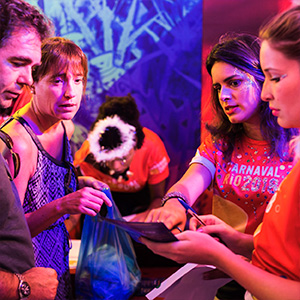
- It is not permitted to enter with dangerous objects such as glass bottles, aluminum cans, flares, fireworks, sharp objects, and firearms
- Umbrellas are not allowed
- Objects that can carry other items, such as coolers and bags, are prohibited
- Bringing cameras with attached lenses, tripods, drones, or professional filming and photography equipment is not permitted.